
Understanding Luck in Gambling
Luck is often viewed as a random and uncontrollable force in gambling, especially in casinos. Many players enter these establishments with the belief that they can rely on chance to determine their outcomes. This perception can be misleading, as luck in gambling is not purely a matter of fate. It intertwines with game mechanics, player strategies, and the inherent odds of various games. For instance, players seeking quick payouts might find that ontario online casino fast withdrawal options enhance their overall experience. Recognizing the interplay between luck and skill can lead to more informed and strategic gambling experiences.
The psychological aspect of luck also plays a significant role. Players frequently attribute their wins to luck while blaming losses on external factors. This dichotomy reinforces the myth that luck is the dominant factor in gambling outcomes. The reality is that understanding odds, risk management, and strategic betting can often influence a player’s success more than serendipity alone. By shifting focus from luck to informed strategies, players can enhance their gambling experience and outcomes.
Moreover, the concept of luck varies across different cultures and traditions. Some believe in lucky charms or rituals that can purportedly influence their performance in games. While these beliefs can enhance the gambling experience, they do not alter the mathematical probabilities that govern games of chance. Ultimately, luck exists, but it should not overshadow the importance of informed decision-making in gambling. Players can cultivate a balanced perspective that appreciates the role of luck while prioritizing strategy and knowledge.
Common Misconceptions About Luck
One of the most prevalent misconceptions about luck in gambling is the idea of “hot” and “cold” streaks. Players often believe that a slot machine or a table game can enter a phase where it is more likely to pay out or take away winnings. This notion leads many to chase losses or play longer than they should, hoping to catch a wave of favorable outcomes. Such beliefs can distort a player’s perspective and decision-making process.
In truth, the outcome of each game is independent of previous results, particularly for games governed by random number generators. For example, just because a player has recently won does not make it more likely that they will win again soon. Understanding the independent nature of each play can help gamblers make more rational choices instead of being swept up in the emotional highs and lows of perceived luck. Recognizing this independence can also assist in managing expectations effectively.
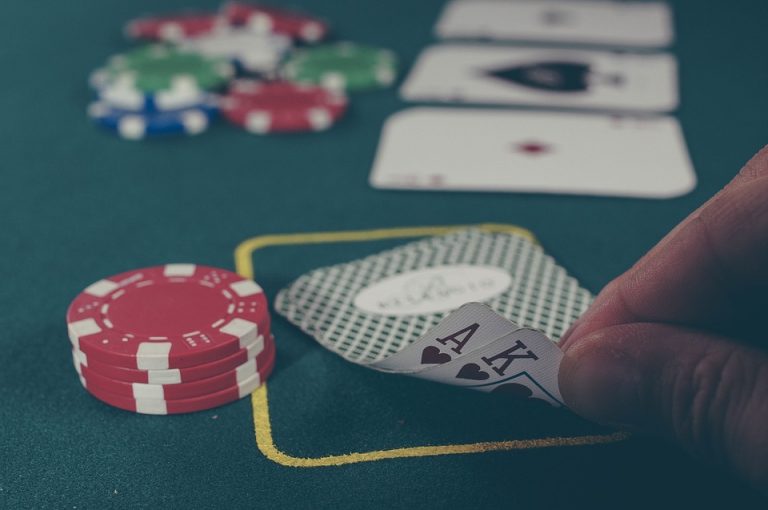
Another misconception revolves around the idea that players can change their luck through certain behaviors or strategies. Many believe that betting patterns, seating choices, or even specific rituals can sway the odds in their favor. However, games like blackjack or poker require skill and strategy far more than sheer luck, and the impact of these behaviors can be minimal. Focusing solely on luck can divert attention from developing skills and strategies that genuinely enhance the probability of winning, ultimately leading to a more sustainable gambling approach.
The Role of Odds in Casino Games
Every game in a casino has a built-in mathematical advantage known as the house edge. This figure, which varies by game, represents the average profit the casino expects to make from each bet placed. Understanding this concept is crucial for any gambler who wishes to navigate the casino landscape successfully. For instance, games like blackjack or poker can be skill-based, allowing players to minimize the house edge through optimal play and strategic decision-making.
Unlike games of pure chance, such as slots or roulette, where the odds are mostly fixed, skill-based games allow players to influence outcomes through their decisions. This edge can mitigate the impact of luck, demonstrating that consistent knowledge and strategy can yield better financial outcomes over time. Hence, while luck may still come into play, it is intelligence and skill that can truly tip the scales in a player’s favor, creating a more balanced approach to gambling.
Understanding the odds also allows players to set realistic expectations and manage their bankrolls more effectively. Knowledge of the house edge empowers players to make informed choices about which games to play based on their risk tolerance. By keeping the focus on odds rather than luck alone, gamblers can enhance their overall gaming experience and sustainability in casinos. This informed approach fosters a healthier relationship with gambling and promotes responsible play.
Strategies for Responsible Gambling
When discussing luck in gambling, it is essential to emphasize responsible gambling strategies. Players should approach casino games with a mindset that prioritizes enjoyment and responsible bankroll management. Setting limits on how much to wager or how long to play can help mitigate the effects of chasing losses, which are often fueled by misconceptions of luck. This responsible approach can contribute to a more fulfilling gaming experience.

Incorporating strategies such as self-imposed limits and time restrictions can significantly enhance the overall gambling experience. These practices encourage players to view gambling as a form of entertainment rather than a means to achieve financial gain. Being aware of personal limits not only fosters a healthier relationship with gambling but also helps maintain a clear perspective on the role of luck versus strategy in achieving success. Players are more likely to enjoy their time when they recognize the importance of moderation.
Furthermore, seeking support from organizations that focus on gambling awareness can be invaluable. Many casinos offer resources and programs aimed at promoting responsible gambling. Engaging with these initiatives can help players recognize when gambling is becoming problematic, reinforcing the important distinction between luck and the need for responsible play. Such resources can empower players to make informed decisions and develop healthier gambling habits.
Why Knowledge Matters in Gambling
In the complex landscape of casino gambling, knowledge is perhaps the most powerful tool a player can possess. Understanding game mechanics, odds, and strategies gives players the confidence to make informed decisions. Learning about each game’s structure and rules allows for better risk management, ultimately reducing the reliance on luck alone. This knowledge-driven approach can lead to more strategic betting and improved outcomes.
Additionally, players can benefit from training resources, books, and online courses that delve into gambling strategies. Engaging with materials that offer insights on game theory, bankroll management, and psychological tactics can enhance both enjoyment and mastery of the games played. This educational approach demystifies the role of luck, illustrating how a well-informed player is more likely to achieve consistent results over time. Players who actively seek knowledge often find their experience enriched.
Ultimately, fostering a mindset grounded in knowledge and strategy not only enhances the gambling experience but also combats the myths that often cloud perceptions of luck. Websites dedicated to gambling education provide invaluable resources for players seeking to improve their understanding of games and develop successful strategies that prioritize skill over chance. By equipping themselves with knowledge, players can cultivate a more rewarding and enjoyable gambling journey.